Institutions Can Deliver More Services Without Requiring Physical Visits
Physical offices remain important, but not every institutional service requires a physical interaction.
Many routine document activities can be performed electronically when the organization has an appropriate workflow platform.
A user may need a document verified, stamped, signed or routed to a particular office. Historically, these activities have often required travelling to the organization.
Modern digital document workflows provide another option.
What Are Remote Institutional Services?
Remote institutional services are digital services that allow people outside an organization to interact with selected institutional processes without visiting the organization physically.
For document-related services, this can include submission, verification, stamping, signing, routing, status tracking and document delivery.
The Cost of Physical Document Services
Physical document processing creates costs for both the organization and the requester.
- Travel expenses.
- Time spent travelling.
- Waiting in queues.
- Physical document handling.
- Printing and scanning.
- Repeated visits when documents require several actions.
- Administrative time spent responding to status enquiries.
Digital workflows can reduce many of these costs where physical presence is not necessary.
Remote Verification
Verification is one of the simplest document services to move online.
A recipient can access a verification page or scan a QR code associated with a document.
The organization can provide the appropriate verification result without requiring the recipient to travel to the issuing office.
Remote Stamping
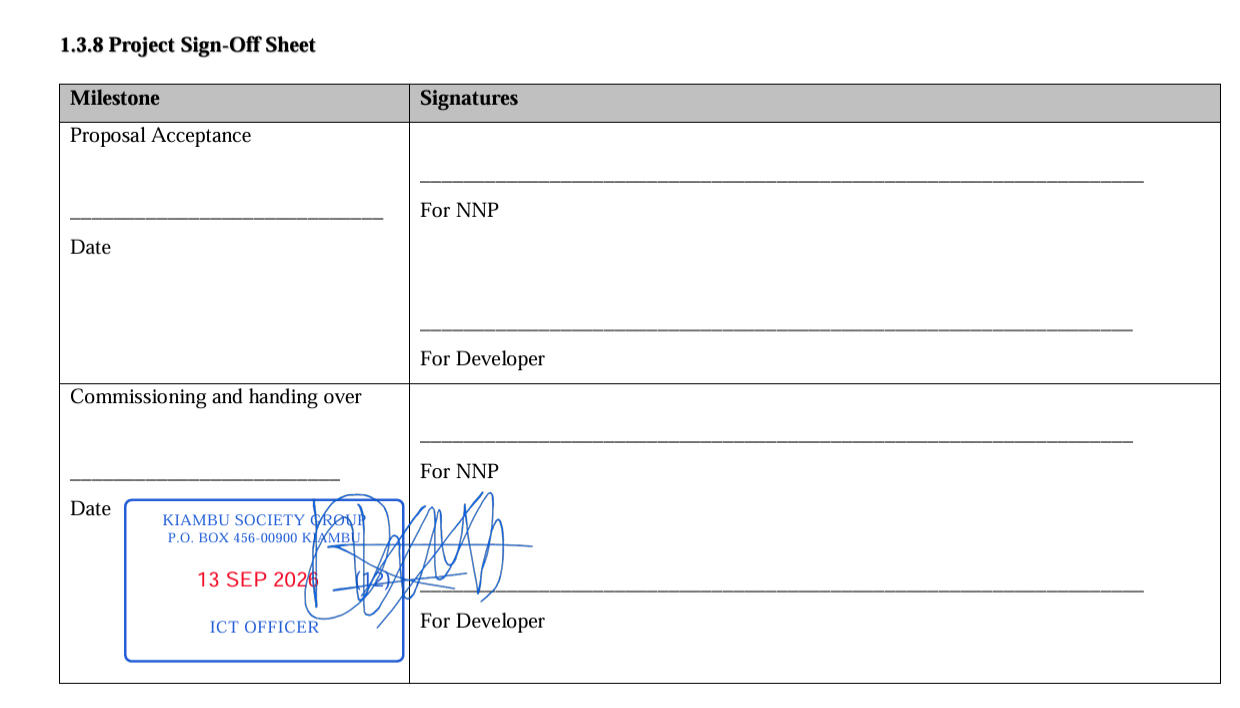
Authorized institutional officers can process eligible documents through a digital workflow.
An external requester can upload the document, select the required service and wait for the organization's authorized officer to process it.
Where digital stamping is permitted by the organization's policy, the processed document can then be returned electronically.
Remote Signing
Some documents require authorized signatures.
A digital workflow can route the document to the appropriate signer rather than requiring physical delivery.
The signer can review the document and complete the authorized electronic signing action.
Remote Document Routing
Organizations with several offices can route documents internally while the external requester remains outside the organization.
This is an important distinction.
The requester does not need to understand the entire internal administrative structure.
The platform can connect the requester's submission to the appropriate office and workflow.
Remote Services for People Who Live Far Away
Institutions often serve people who no longer live near the physical campus or headquarters.
Graduates may move to another county or country. Suppliers may operate from different regions. Customers may be located far from headquarters.
Remote document services can provide these users with access to eligible services without unnecessary travel.
Remote Services for Graduates
Graduates frequently need institutional documents after leaving campus.
They may require verification for employment, professional registration, further education or other legitimate purposes.
A remote verification platform can provide a digital channel for these requests.
Remote Services for Suppliers
Suppliers may need to submit procurement documents to specific offices.
An online portal can provide a controlled submission mechanism and allow suppliers to monitor their document processing status.
Remote Services for Former Employees
Former employees may need official documents from their previous organization.
A digital service can allow them to submit requests remotely while maintaining controlled access to institutional records.
Remote Services for Customers and Partners
Companies may have customers, agents and partners who need official documents processed.
Providing selected document services online can make the organization easier to interact with while reducing administrative workload.
Digital Service Delivery Does Not Mean Removing Human Review
Automation does not necessarily mean that every document should be processed automatically.
Organizations can retain human review where it is required.
The difference is that the document reaches the responsible officer digitally instead of requiring the requester to travel physically.
Human Review in a Remote Workflow
A remote workflow can therefore look like:
External User → Online Submission → Institutional Office → Human Review → Authorized Processing → Digital Delivery
This provides the convenience of remote submission while preserving organizational controls.
Tracking the Request
Users should have visibility into their submissions.
Status tracking can show whether a document has been received, reviewed, assigned, processed or completed.
This can reduce unnecessary telephone calls and email follow-ups.
Notifications Improve Remote Services
Notifications can inform users when their document changes status.
Depending on the organization's configuration, notifications may be delivered through email, SMS or in-platform messages.
Remote Institutional Services and Digital Transformation
Digital transformation should focus on the services people actually use.
If an organization digitizes internal records but still requires every external requester to travel physically for routine document services, an important part of the service journey remains manual.
External document services therefore form an important part of institutional digital transformation.
SyntaxDocVerify Remote Document Services
SyntaxDocVerify provides a platform architecture for organizations that want to connect internal document workflows with controlled external services.
Users can interact with participating organizations without becoming staff members, while internal officers retain responsibility for processing documents according to organizational workflows.
Explore document verification, digital stamping and electronic signatures.
Conclusion
Remote institutional services can remove unnecessary physical travel from many document-related processes.
Organizations can continue providing human review and authorization while allowing users to submit and track documents remotely.
This creates a more accessible service model for graduates, students, suppliers, customers, partners and other legitimate external users.