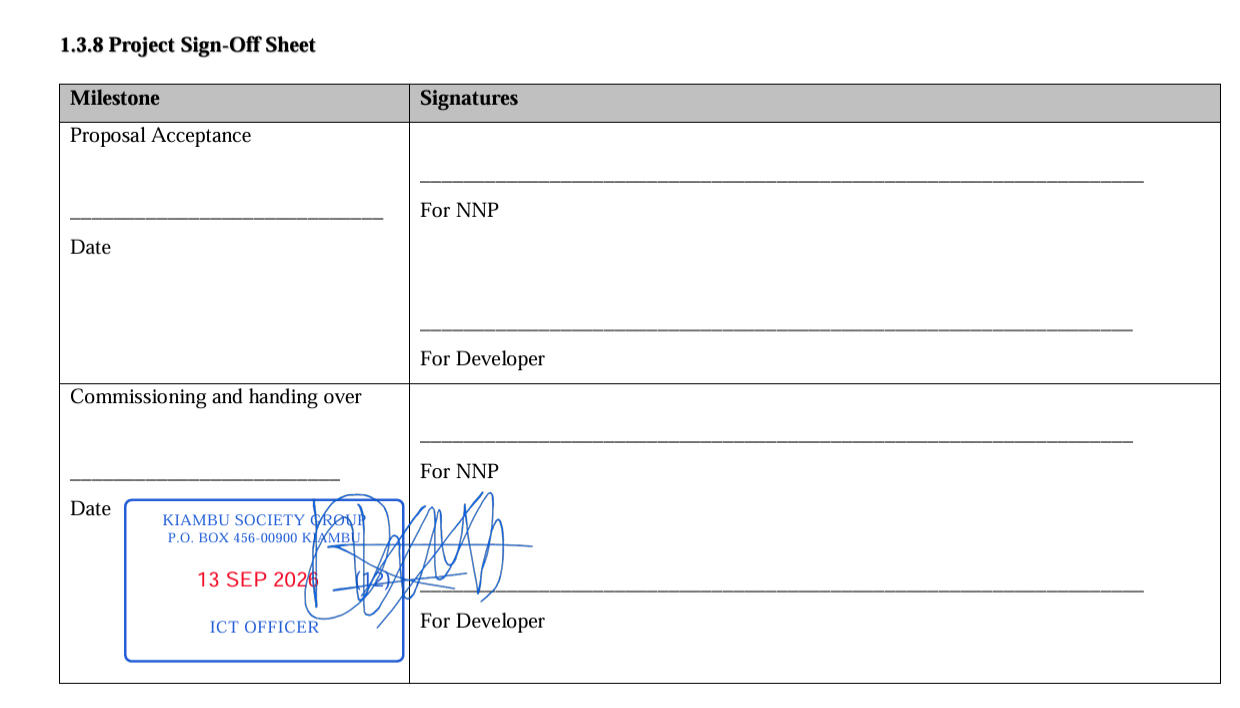
The Challenge of Fake Certificates and Forged Documents
Organizations that issue certificates and official documents need a practical way to help recipients distinguish legitimate records from documents that cannot be verified through the issuing institution.
Visual elements such as stamps, logos and signatures can communicate authority, but visual elements alone do not provide an online verification mechanism.
Move From Visual Trust to Digital Verification
Digital verification connects a document to an institutional record. A recipient can use a QR code or unique verification reference to check the document through an online service.
This changes verification from a purely visual process into a record based process.
Use Unique Verification References
Each document can receive a unique verification reference. The reference should identify the document without exposing internal database structure or unnecessary personal information.
A unique reference also gives the institution a way to manage the status of individual documents.
Use QR Codes
QR codes make verification convenient for recipients using smartphones. The code can direct the recipient to the institutions verification page and identify the document record.
The online result should be generated from the institutional verification service rather than from information embedded only in the QR code.
Combine Digital Stamps With Verification
A digital institutional stamp can communicate that an authorized workflow action was performed. QR verification can then provide a way for an external recipient to check the related document record.
Use Controlled Electronic Signatures
Electronic signatures can be used as part of a controlled document workflow where authorized users sign appropriate documents.
The signing process should be connected to user authorization and document workflow rather than treated as an unrestricted image placement feature.
Protect the Issuance Workflow
Verification is strongest when the issuance process itself is controlled. Institutions should restrict who can create, approve, stamp, sign, publish or invalidate official documents.
Provide Clear Verification Status
A recipient should understand the result presented by the verification service. Institutions can define statuses appropriate to their document lifecycle, such as valid, inactive, replaced or unavailable.
Protect Personal Information
Preventing document fraud should not require publishing all information contained in a certificate. A verification page can provide enough information to confirm authenticity while limiting exposure of sensitive personal data.
Keep Workflow History
Institutions can maintain records of important document actions including creation, approval, stamping, signing and verification related administration. This supports accountability and helps investigate irregular activity.
Practical Verification Workflow
- Issue the document through an authorized workflow.
- Assign a unique verification reference.
- Generate the QR code.
- Apply authorized digital processing where required.
- Publish the document status for verification.
- Allow external recipients to verify the reference.
- Update the status when a document is replaced or invalidated.
SyntaxDocVerify for Document Authenticity
SyntaxDocVerify is designed around digital document processing and online verification, combining QR verification with institutional document workflows, digital stamping and electronic signatures.
Explore certificate verification or institutional document verification.
Conclusion
Reducing document fraud requires more than adding a logo or stamp to a PDF. A stronger approach connects document issuance, authorization, unique references, QR verification, digital signing and controlled status management.