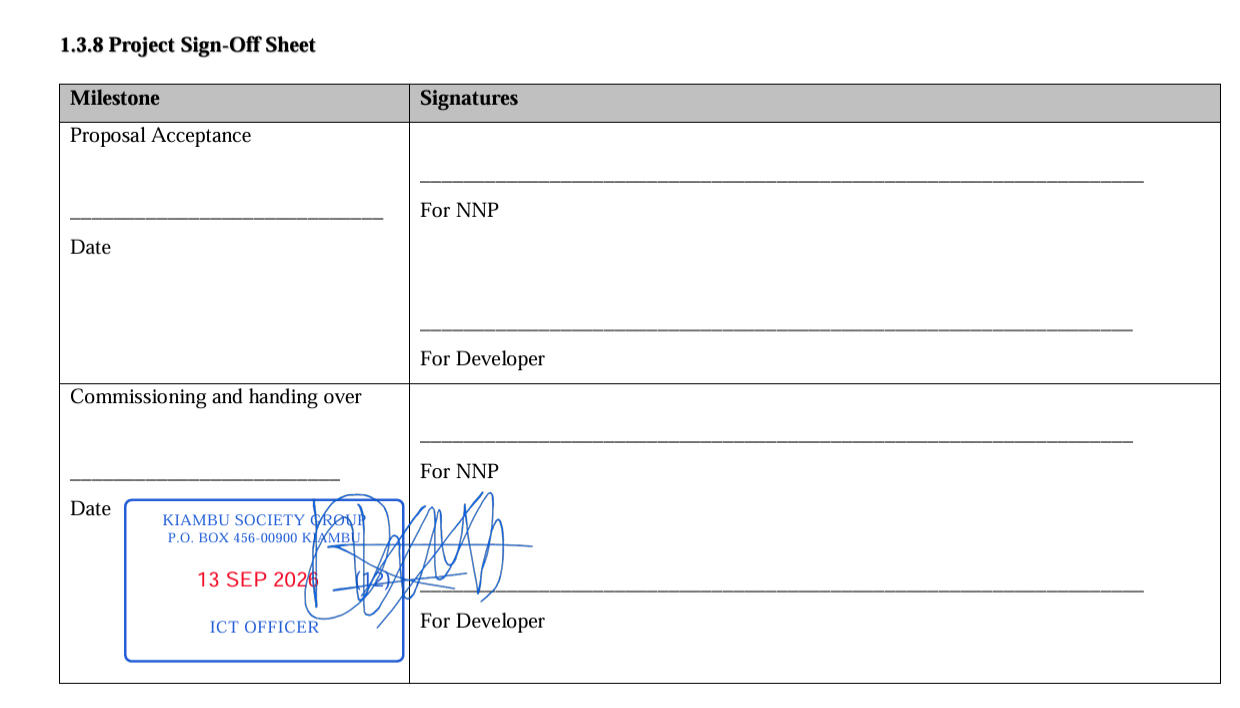
Why Electronic Signatures Matter in Modern Organizations
Signatures remain an important part of institutional and corporate administration.
Documents may require signatures from directors, principals, registrars, heads of departments, finance officers, procurement officers, managers and other authorized personnel.
The traditional process often requires printing the document, physically delivering it to the responsible person, obtaining a signature, scanning the document and sending the scanned copy to the next office.
Electronic signature workflows can reduce this repeated process by allowing authorized users to sign documents through a controlled digital environment.
What Is an Electronic Signature?
An electronic signature is a digital mechanism used to indicate that a person has electronically signed or approved a document.
The exact legal requirements for electronic signatures can vary depending on jurisdiction, document type and organizational policy. Institutions should therefore configure signing workflows according to applicable legal and regulatory requirements.
From an operational perspective, electronic signatures can provide a structured way for authorized users to approve documents without requiring every document to be printed.
Electronic Signatures Versus Scanned Signatures
A scanned image of a handwritten signature is simply an image.
An electronic signing workflow can provide additional context around the signing event, including the authorized account, document workflow and time of the action.
This distinction becomes important when organizations need stronger process control.
How an Institutional Electronic Signature Workflow Works
- A document is uploaded to the platform.
- The document is assigned to an authorized signer.
- The signer reviews the document.
- The signer initiates the electronic signing action.
- The platform records the action.
- The signed document proceeds to the next workflow stage.
- The completed document can be stored and verified according to the organization's process.
Electronic Signatures for Universities
Universities process many documents requiring authorization.
- Official letters.
- Academic documents.
- Administrative approvals.
- Procurement documents.
- Departmental reports.
- Management documentation.
- Human resource documentation.
- Finance documents.
A centralized signing workflow can reduce delays associated with physically moving these documents between offices.
Electronic Signatures for TVET Colleges
TVET institutions manage academic, administrative, procurement, finance and student-related documentation.
Electronic signing can help authorized staff process documents through structured digital workflows while reducing unnecessary printing and scanning.
The platform can be configured around the institution's approval structure and internal authorization requirements.
Electronic Signatures for Government Organizations
Government organizations frequently operate through formal approval structures involving several officers and departments.
A digital workflow can help represent these approval stages electronically.
However, implementation should always consider applicable public-sector policies, records requirements, legal requirements and internal authorization procedures.
Electronic Signatures for Private Companies
Companies can use digital signing workflows for internal approvals, contracts, quotations, reports, procurement documents, HR documentation and other business records where electronic signing is appropriate.
The primary operational benefit is reducing unnecessary movement of documents while giving management better visibility into pending approvals.
Multiple Signatories on One Document
Some documents require multiple signatures.
For example, a document may require a departmental manager, finance officer and senior executive to sign before completion.
A digital workflow can organize the document around the required sequence.
Reviewer → Manager → Finance → Executive → Completed Document
This provides a structured alternative to physically circulating the document between offices.
Electronic Signatures and Digital Stamps
Signatures and institutional stamps frequently work together.
A document may require both an authorized signature and an official institutional stamp before it is considered complete.
A centralized platform can combine these actions into one document workflow.
Electronic Signatures and QR Verification
Verification is particularly important when signed documents are sent outside the organization.
A QR verification mechanism can allow a recipient to access an online verification page associated with the document.
This can provide an additional method for checking whether a document has been processed through the institution's configured verification workflow.
Security Controls for Electronic Signing
Electronic signing should be treated as a privileged operation.
Important controls can include authenticated accounts, role-based permissions, secure sessions, controlled access to documents, audit information and appropriate document storage.
Organizations should also establish clear policies describing which users are authorized to sign which categories of documents.
Electronic Signature Audit Trails
A professional document platform should provide visibility into important document actions.
The organization may need to know when a document was uploaded, assigned, reviewed, signed or routed.
This information can support operational accountability and help management investigate workflow delays.
Reducing Printing and Scanning
One of the most visible advantages of electronic signing is the reduction of printing and scanning performed solely to obtain signatures.
This can be particularly valuable when organizations process large documents or when several signatures are required.
Remote Document Approval
Modern organizations may have managers and authorized officers working from different offices or locations.
Subject to organizational policy and security requirements, digital signing workflows can allow authorized users to process documents without requiring the document to be physically delivered to their desks.
Electronic Signing Should Be Part of a Complete Workflow
Electronic signatures are most valuable when integrated with the broader document lifecycle.
A complete workflow may include document upload, classification, routing, review, approval, digital stamping, electronic signing, QR verification, notification and archival.
This approach provides more value than deploying an isolated signature tool without document workflow management.
SyntaxDocVerify Electronic Signature Workflow
SyntaxDocVerify combines electronic signatures with digital document stamping, document verification, QR verification and institutional document routing.
The objective is to provide organizations with a centralized environment for controlled document processing.
Learn more about electronic signatures for institutions or explore the broader institutional document verification platform.
What Organizations Should Evaluate Before Implementing Electronic Signatures
- Which documents require signatures.
- Which users are authorized to sign.
- Which approval sequence applies.
- Which documents require multiple signatories.
- How signed documents will be verified.
- How documents will be stored.
- How access will be controlled.
- How audit information will be maintained.
- Which legal and regulatory requirements apply.
Conclusion
Electronic signatures can help organizations reduce physical document movement, accelerate approvals and establish more structured digital workflows.
The strongest implementation connects signing with document routing, digital stamping, authorization, verification and document history.
For institutions processing significant volumes of official documents, electronic signing can become an important component of a broader paperless document management strategy.