Why Online Certificate Verification Matters
Certificates, academic records, recommendation letters, official letters and other institutional documents are frequently presented to organizations outside the issuing institution.
An employer may need to verify an academic certificate. A university may need to confirm a qualification from another institution. A government organization may need to verify an official document. A company may need to confirm that a certificate or letter was genuinely issued.
Traditional verification often depends on telephone calls, emails, physical visits or manual searches through institutional records.
QR-based online verification provides another approach.
What Is QR Code Document Verification?
QR code document verification connects a physical or digital document to an online verification service.
A QR code can be placed on an authorized document and associated with a unique verification reference.
When a recipient scans the QR code, the verification service can display the appropriate verification result according to the institution's configuration.
How QR Certificate Verification Works
- The institution creates or processes an official document.
- The document receives its verification reference.
- A QR code is associated with the document.
- The QR code is included in the final document.
- The recipient scans the QR code.
- The verification service checks the reference.
- The system presents the configured verification result.
This creates a direct connection between the document and the issuing institution's verification platform.
Why Visual Stamps Alone Are Not Enough
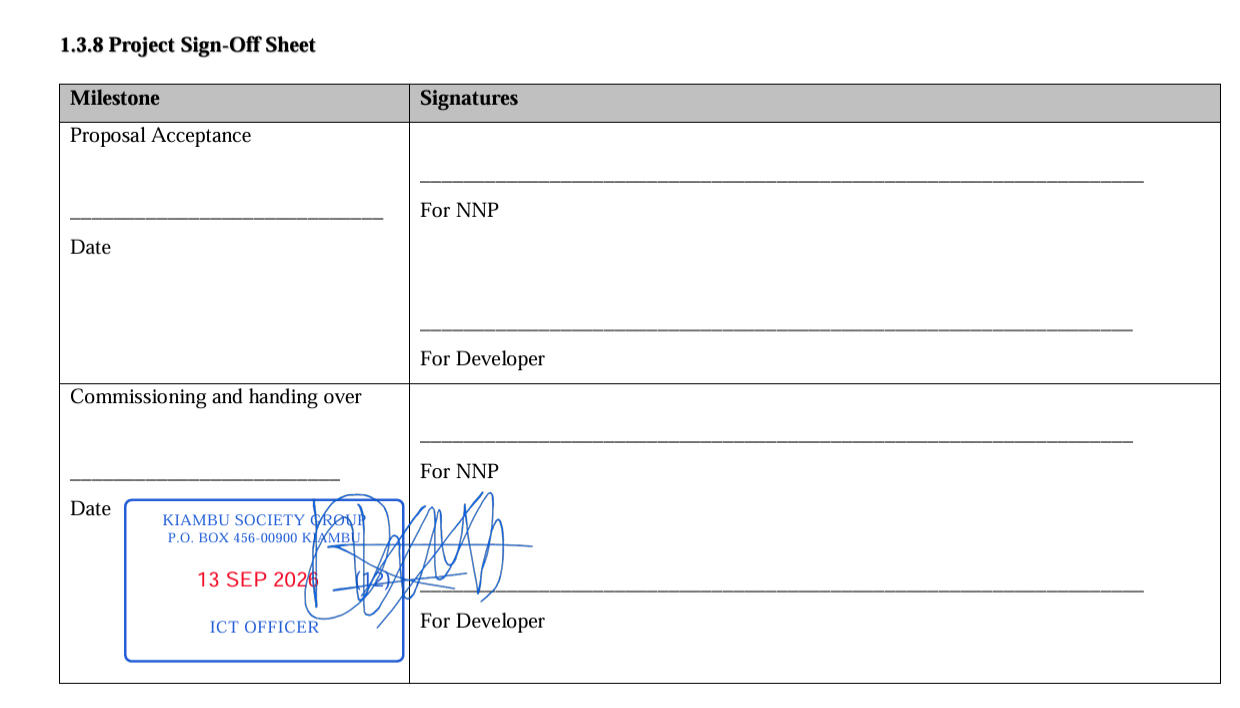
A visual stamp can communicate that a document appears to have been officially processed.
However, a digital image can potentially be copied.
Online verification provides another layer because the recipient can check the document against a centralized verification service rather than relying entirely on visual appearance.
Certificate Verification for Universities
Universities issue academic certificates, transcripts, letters and other official records that graduates may later present to employers, professional organizations, government agencies and other educational institutions.
An online certificate verification platform can provide an organized mechanism for external parties to verify documents.
This can reduce repetitive manual verification requests and provide a more convenient experience for legitimate recipients.
Certificate Verification for TVET Institutions
TVET colleges and technical institutions issue certificates and other academic documents to graduates.
Graduates may need to present these documents when applying for employment, professional opportunities or further education.
Online verification can allow authorized third parties to check documents through a centralized institutional service.
QR Verification for Official Letters
QR verification is not limited to academic certificates.
Institutions can also use verification mechanisms for official letters, confirmation documents, reports and other records where external authenticity checking is useful.
How Employers Can Verify a Certificate
An employer receiving a document with a verification QR code can scan the code using a compatible mobile device.
The resulting verification page can provide the information that the issuing organization has decided to expose.
This can help employers avoid relying entirely on manual communication for routine verification.
Verification References and Document Identity
A professional verification system should associate documents with controlled references.
The verification reference should not simply expose sensitive internal information. Institutions should carefully determine what information is displayed to external users.
A verification page may communicate document validity or verification status without exposing unnecessary personal information.
Privacy and Data Protection in Certificate Verification
Verification systems must balance authenticity with privacy.
Institutions should avoid exposing sensitive personal information simply because a document can be verified online.
Public verification pages should therefore display only information appropriate for the intended verification purpose.
Document Status and Verification
A digital verification platform can support different document states according to the institution's requirements.
For example, a document may be active, verified, invalidated or otherwise unavailable for verification.
The institution should define the status rules that apply to its documents and ensure that users understand the meaning of each verification result.
QR Codes and Digital Stamps
QR verification becomes particularly powerful when combined with digital institutional stamping.
The digital stamp represents institutional processing while the QR code provides a path to online verification.
This combination can be used for certificates, letters, reports and other official records.
QR Codes and Electronic Signatures
Electronic signatures can authenticate the signing action while QR verification can provide an external verification mechanism.
Combining these technologies creates a more complete digital document workflow.
Reducing Manual Verification Requests
Institutions can receive large numbers of verification requests from employers, students, graduates and external organizations.
When every request requires staff to manually search records and respond by email, verification can become a repetitive administrative task.
An online verification platform can automate part of this process while keeping institutional control over verification records.
Security Considerations for Online Verification
Security should be considered at every stage of the verification process.
- Verification references should be difficult to guess.
- Administrative functions should require authentication.
- Privileged users should have appropriate permissions.
- Verification pages should avoid unnecessary personal data exposure.
- Document access should be controlled.
- Important administrative actions should be traceable.
Benefits of QR Certificate Verification
- Faster verification.
- Reduced manual verification workload.
- Improved accessibility for external recipients.
- Better document traceability.
- Support for digital documents.
- Reduced dependence on physical verification.
- Improved institutional workflow efficiency.
- Better integration between documents and online verification services.
SyntaxDocVerify Online Document Verification
SyntaxDocVerify is designed to help institutions create digital document workflows that connect document processing with online verification.
The platform can combine institutional digital stamps, electronic signatures, QR verification and document management in one environment.
Organizations can explore the certificate verification solution or learn more about the complete document verification platform.
Who Needs Online Certificate Verification?
- Universities.
- TVET colleges.
- Colleges and training institutions.
- Professional organizations.
- Government institutions.
- Private companies.
- Examination and certification bodies.
- Organizations issuing official certificates.
Conclusion
QR code certificate verification can provide a practical bridge between official documents and online verification services.
For institutions issuing certificates and other official records, it can reduce repetitive manual verification work while providing recipients with a faster way to confirm document status.
The most effective implementation combines QR verification with appropriate access controls, document identity, digital stamping, electronic signatures and institutional workflow management.