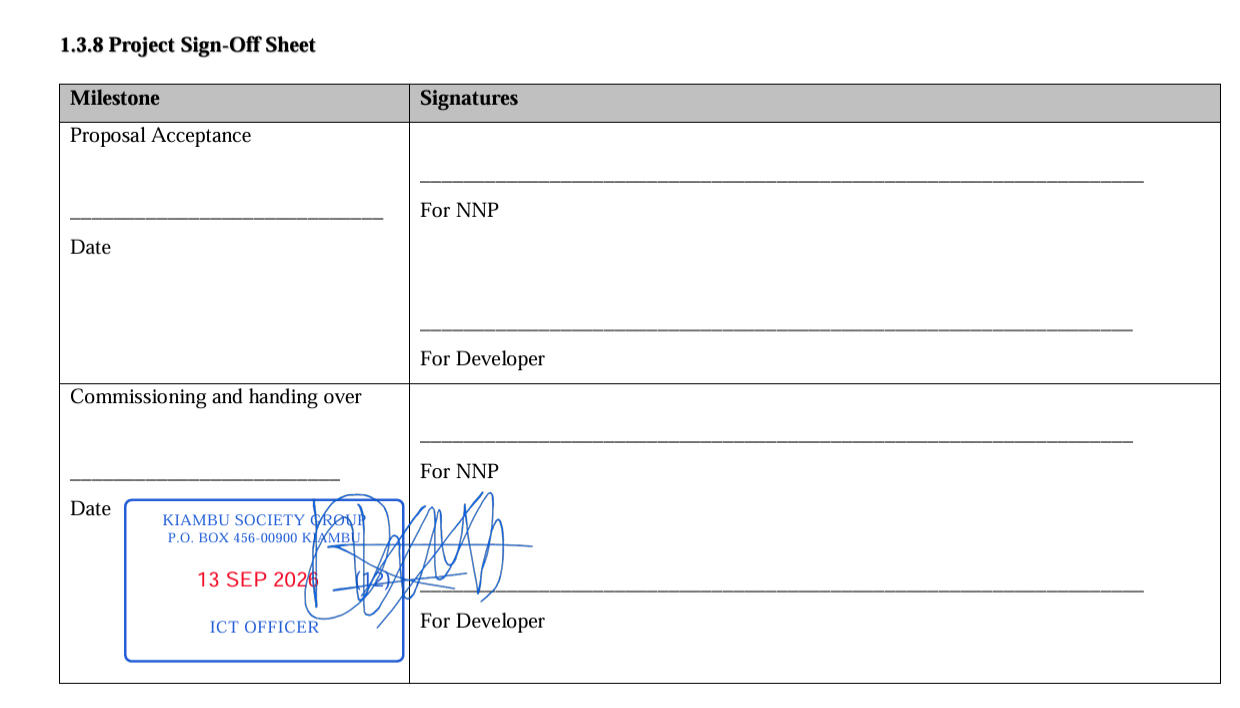
Why Online Certificate Verification Matters
Employers, universities, professional organizations, government offices and other institutions often need to confirm whether a certificate or official document was genuinely issued by an organization. A digital certificate verification service can make this process faster and more structured than relying only on phone calls, email requests or physical visits.
In Kenya, institutions that issue academic, professional or official documents can use online verification to give authorized recipients a direct way to check document status.
What Is Online Certificate Verification?
Online certificate verification is a digital process that allows a recipient to check an institutional document through a web based verification service. The document can contain a QR code, verification number or unique reference that connects it to the issuing institution.
The purpose is not simply to display a document online. The important part is the connection between the document and an institutional record that can communicate an appropriate verification result.
How QR Code Certificate Verification Works
- The institution creates or processes an official certificate.
- The certificate receives a unique verification reference.
- A QR code is associated with the reference.
- The QR code is placed on the approved document.
- The recipient scans the QR code using a mobile device.
- The verification service checks the reference.
- The system displays the verification information that the institution has chosen to expose.
What a Verification Number Does
A verification number provides another way to identify a document. This is useful when a QR code cannot be scanned because of printing quality, device limitations or document format.
A strong verification platform can allow a recipient to enter the reference manually and obtain the same verification result associated with the document.
How Employers Can Verify Academic Certificates
An employer receiving a certificate can scan its QR code or enter its verification reference on the issuing institutions verification page. The employer should then compare the verification result with the document being presented.
The verification page should expose only information necessary for the verification purpose. Sensitive personal information should not be published simply because a document is verifiable.
Certificate Verification for Universities and TVET Institutions
Universities, TVET colleges and other training institutions issue certificates, transcripts, letters and other academic records. Graduates may present these documents to employers, professional bodies, government agencies and other institutions.
A digital verification workflow can reduce repetitive manual verification requests and provide a consistent experience for external recipients.
How to Identify a Reliable Verification Result
A verification result should be clearly connected to the issuing institution and the specific document reference. The recipient should understand whether the document is recognized by the verification service and what the displayed status means.
Institutions should also define processes for documents that are cancelled, replaced, corrected or otherwise no longer available for verification.
QR Verification and Document Security
A QR code by itself is not proof that a document is genuine. The value comes from the online service behind the code and the controls around document issuance and verification.
For this reason, QR verification works best when combined with controlled document workflows, authorized users, unique references and appropriate audit information.
Privacy Considerations
Online verification should balance authenticity with privacy. A public verification page can confirm document status without exposing unnecessary student, employee or customer information.
Institutions should determine which fields are appropriate for external verification and should design access rules around the sensitivity of their records.
SyntaxDocVerify for Online Certificate Verification
SyntaxDocVerify is designed to connect institutional document processing with digital stamping, electronic signatures and online verification.
Organizations can explore the certificate verification solution, review the broader document verification platform, or request a demonstration.
Conclusion
Online certificate verification provides a practical way for institutions to help employers and other authorized recipients confirm official documents without relying entirely on manual correspondence.
The strongest approach combines unique document references, QR verification, controlled institutional workflows, appropriate privacy controls and clear verification results.