What Is a Digital Institutional Document Portal?
A digital institutional document portal is an online platform that connects an organization with the people who need to submit, process, verify or receive official documents.
Unlike a basic website contact form, an institutional document portal can provide accounts, document submissions, office selection, workflow routing, processing status, notifications and controlled document access.
It can serve both internal staff and authorized external users.
Why Organizations Need Digital Document Portals
Modern organizations interact with large numbers of people outside their internal staff structure.
Universities interact with students and graduates.
TVET institutions interact with trainees and graduates.
Companies interact with customers, suppliers and partners.
Government organizations interact with citizens, businesses and other institutions.
Many of these interactions involve documents.
A digital document portal can provide one structured environment for managing these document-related services.
Internal Staff and External Users Can Use the Same Platform
A major advantage of an institutional document portal is the ability to support different categories of users.
Internal staff can process documents according to their roles.
External users can create accounts and submit documents without becoming staff members.
This creates two connected but controlled sides of the platform.
The External User Journey
A typical external user journey can be:
- Create an account.
- Log in securely.
- Select the organization.
- Select a document service.
- Select the designated office where applicable.
- Upload the document.
- Submit the request.
- Track processing.
- Receive notifications.
- Download or access the completed document according to authorization.
The Internal Staff Journey
Internal staff can receive submissions through their assigned workflow.
- Staff member receives notification.
- Document appears in the assigned work queue.
- Officer reviews the submission.
- Officer requests additional information if required.
- Officer processes the document.
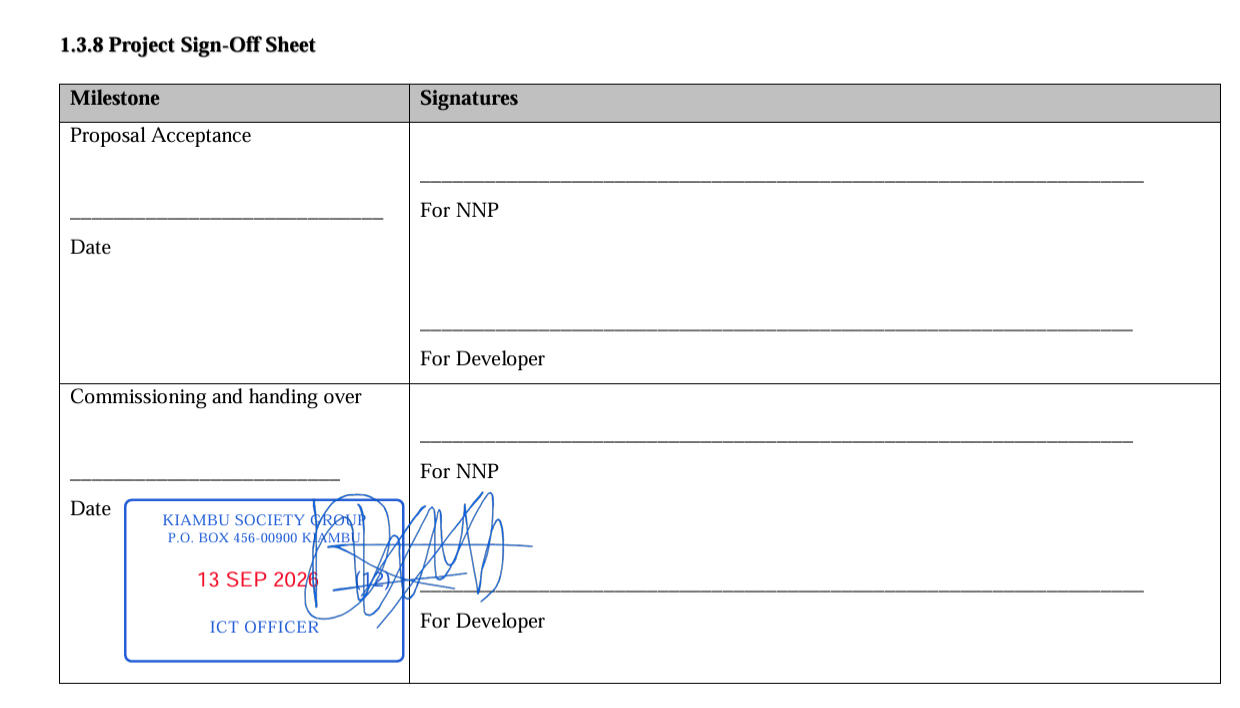
- Authorized user stamps or signs the document where applicable.
- System records the action.
- Document proceeds to completion.
- Requester receives notification.
Why This Is More Than an EDMS
A traditional EDMS primarily focuses on internal document storage and management.
A modern institutional document portal can extend the EDMS concept to external service delivery.
This means the platform can connect internal document management with external users who need legitimate document services.
Online Digital Stamping
Users can submit documents remotely for authorized digital stamping workflows.
The organization controls which documents are eligible and which users are authorized to perform stamping.
This can eliminate unnecessary travel for eligible document services.
Online Electronic Signing
Where electronic signing is appropriate, documents can be routed to authorized signatories.
This can reduce the physical movement of documents between offices.
Online Certificate Verification
Recipients can verify certificates and other official documents through an online verification service.
QR codes can provide a convenient connection between the document and its verification page.
Remote Document Processing
The portal can allow a requester to remain outside the organization while internal officers process the document.
This is particularly valuable when the organization is geographically distant from the requester.
Serving People Beyond the Physical Campus
A university can serve graduates living in another county.
A TVET college can serve former trainees who have moved to another region.
A company can serve suppliers operating from another city.
A government organization can provide selected services to people who cannot easily travel to headquarters.
The digital portal becomes an extension of the institution's service infrastructure.
Office and Department Selection
Large organizations can configure available offices and services.
This helps guide users toward the correct destination when submitting documents.
The platform can then route the request internally.
Document Status Tracking
A digital portal should provide meaningful status information.
Users should be able to understand whether the organization has received their document and whether action is pending.
Notifications
Notifications can reduce uncertainty.
Users can be informed when their document is received, reviewed, requires additional information or is completed.
Secure External Accounts
External accounts should be isolated from internal administrative access.
A user should only be able to access their own submissions and authorized services.
This allows the organization to provide digital services without exposing internal documents or administrative functions.
Enterprise Governance
Organizations should establish clear rules for which services can be delivered remotely.
Not every document or transaction will necessarily be suitable for remote processing.
The organization should define its own approval, verification, signing, data protection and records management policies.
Digital Institutional Transformation
A digital document portal can form part of a broader digital transformation strategy.
Instead of digitizing only internal files, organizations can digitize the complete journey from external request to internal processing and final document delivery.
SyntaxDocVerify Digital Institutional Portal
SyntaxDocVerify is positioned around this broader model of institutional document management and verification.
The platform can combine an institutional EDMS with digital document stamping, electronic signatures, QR verification, internal routing, notifications and controlled external access.
Organizations can explore the SyntaxDocVerify platform, review institutional solutions, or request a demonstration.
Who Can Benefit From a Digital Institutional Document Portal?
- Universities.
- TVET institutions.
- Colleges.
- Schools.
- Government organizations.
- County organizations.
- NGOs.
- Healthcare organizations.
- Financial organizations.
- Private companies.
- Professional bodies.
- Large enterprises.
Conclusion
The future of institutional document management is not simply a digital filing cabinet.
Organizations can build complete digital document services in which internal staff manage controlled workflows while external users submit documents remotely, select the appropriate service, monitor progress and receive completed documents without unnecessary travel.
For established organizations with multiple offices, departments and large document volumes, a digital institutional document portal can become an important part of modern service delivery.